Present at popular celebrations, family gatherings and special dates such as Holy Week, sancocho is a representative dish of the traditional gastronomy of the islands.
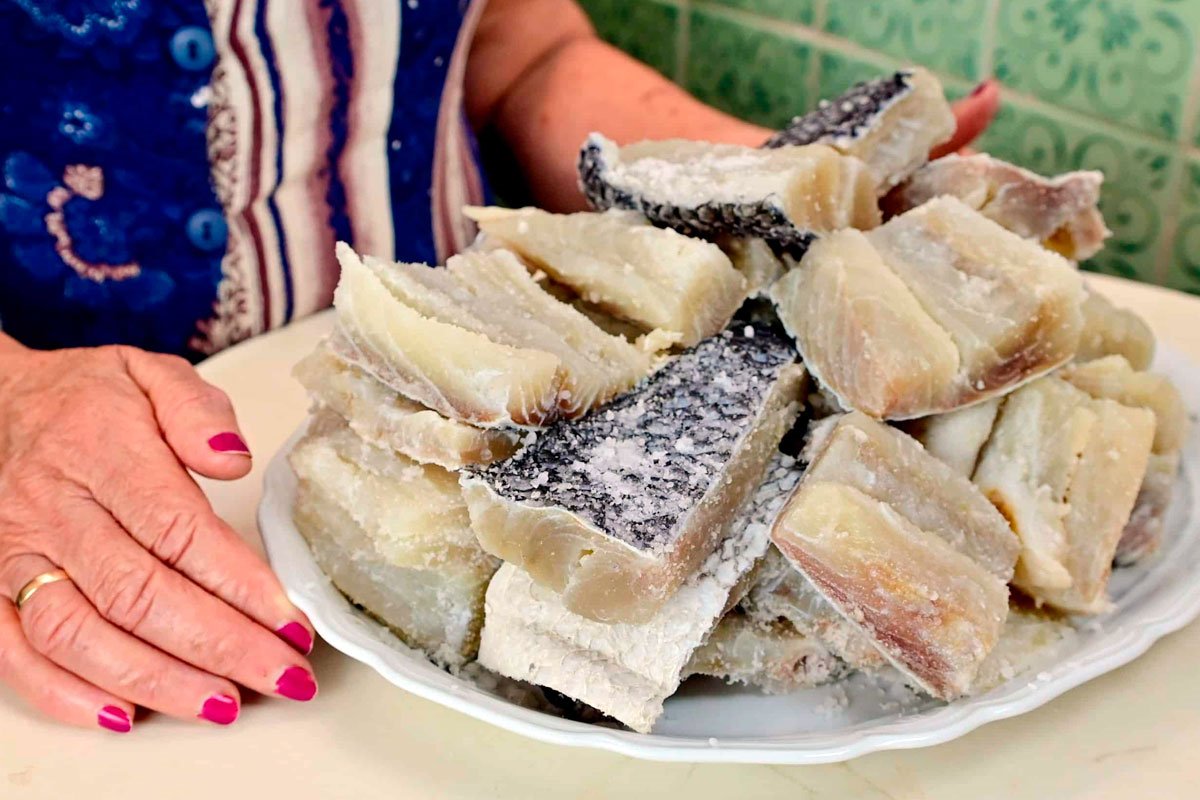
Of humble origin and deeply linked to the maritime culture, the main ingredient of sancocho is salted fish, usually cherne, although other fish such as corvina or sama are also used.
Salting, an ancient preservation technique, allowed for centuries the storage of fish and ensured food in times of scarcity.
Before cooking, the fish is carefully desalted for several hours or even days, with the water changed several times. This process is key to achieving the perfect balance of flavor and texture.
Ingredients
Although there are slight variations depending on the island or household, the traditional recipe includes:
- Salted fish (cherne, corvina or similar)
- Potatoes
- Sweet potato
- Red mojo (or spicy mojo)
- Gofio
- Water and salt
The simplicity of the ingredients is precisely what makes sancocho such a special dish.
Elaboration
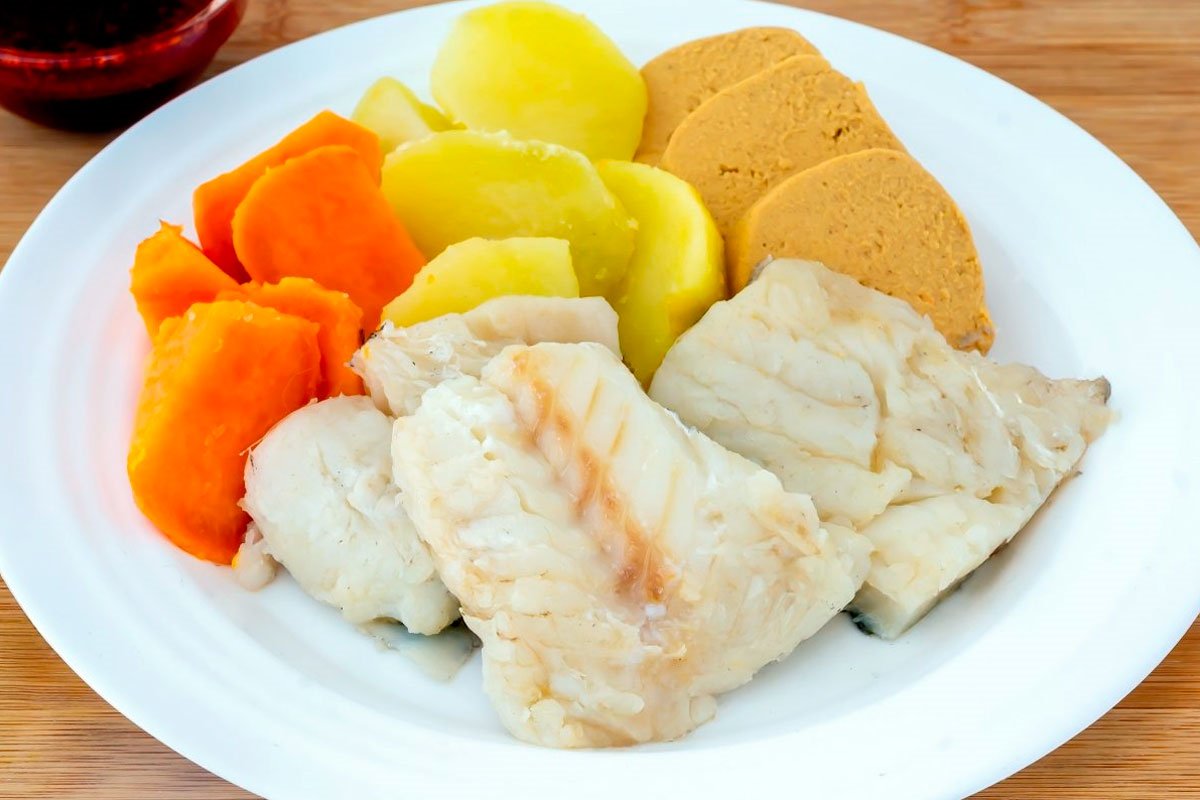
- The fish, previously desalted, is boiled in clean water until tender.
- The potatoes and sweet potato are cooked in the same broth, absorbing some of the fish flavor.
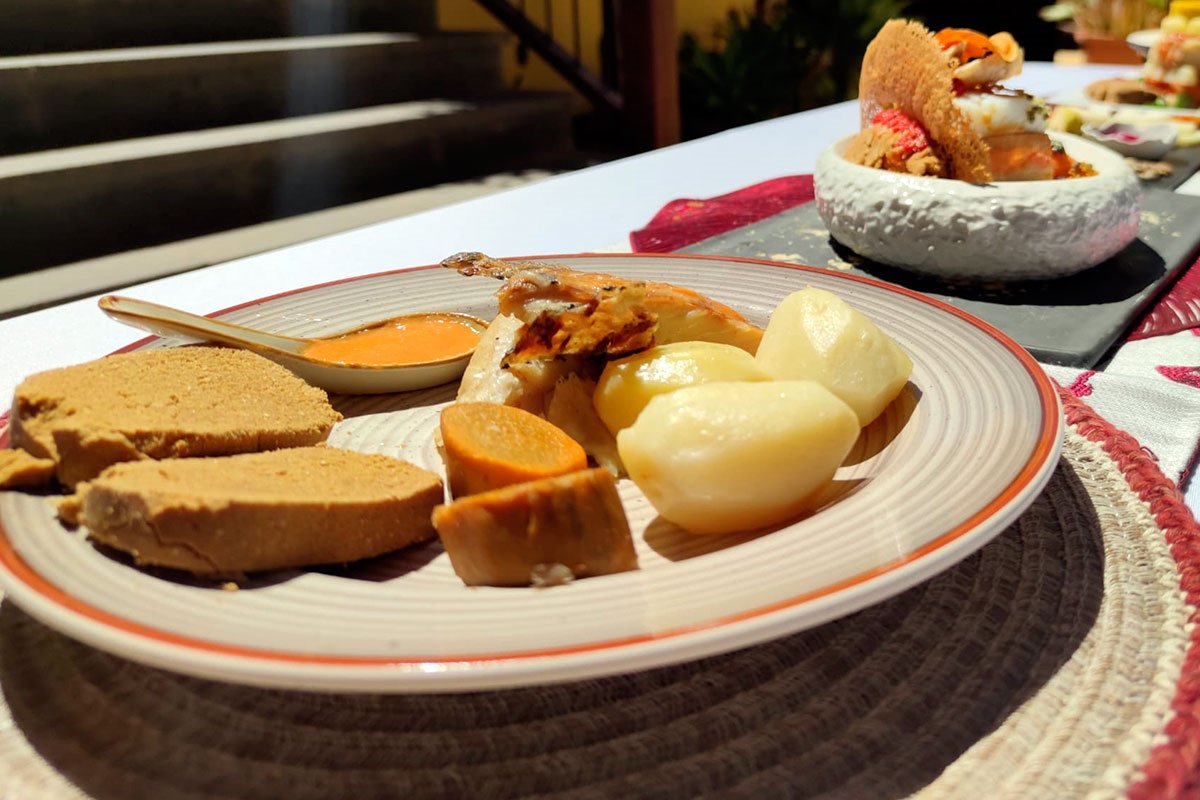
- Once ready, the fish is served in pieces, accompanied by potatoes, sweet potato and a good red mojo sauce.
- As an essential complement, gofio pella is prepared , kneaded with the fish broth.
The result is a balanced, robust dish full of nuances.
Variants and customs
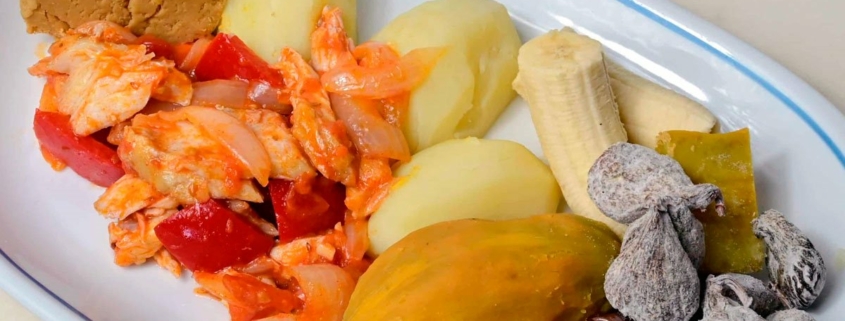
It is usually served during Holy Week, especially in Gran Canaria. In Tenerife, it is often accompanied by escaldón de gofio instead of gofio bread. In some areas, a drizzle of raw olive oil is added, or mojo verde is used, depending on preference.
Sancocho is best enjoyed with a dry Canarian white wine, especially varieties like Listán Blanco, or simply with fresh water and artisanal bread.
This dish is synonymous with shared meals and tradition. It evokes the archipelago’s seafaring past and the importance of the sea as a source of sustenance.
Where can I eat Canarian sancocho?
It’s not a dish you can easily find. You’re more likely to find it in restaurants and establishments specializing in traditional Canarian cuisine, where seafood dishes and products are the main focus.
More images